Przejdź do treści

logo Narodowe Centrum NaukiProjekt realizowany w ramach grantu badawczego finansowanego ze środków Narodowego Centrum Nauki nr UMO-2021/41/B/HS3/00253

Herbal medicines in noble purchase registers, prescriptions and in the medical handbooks in the 18th century
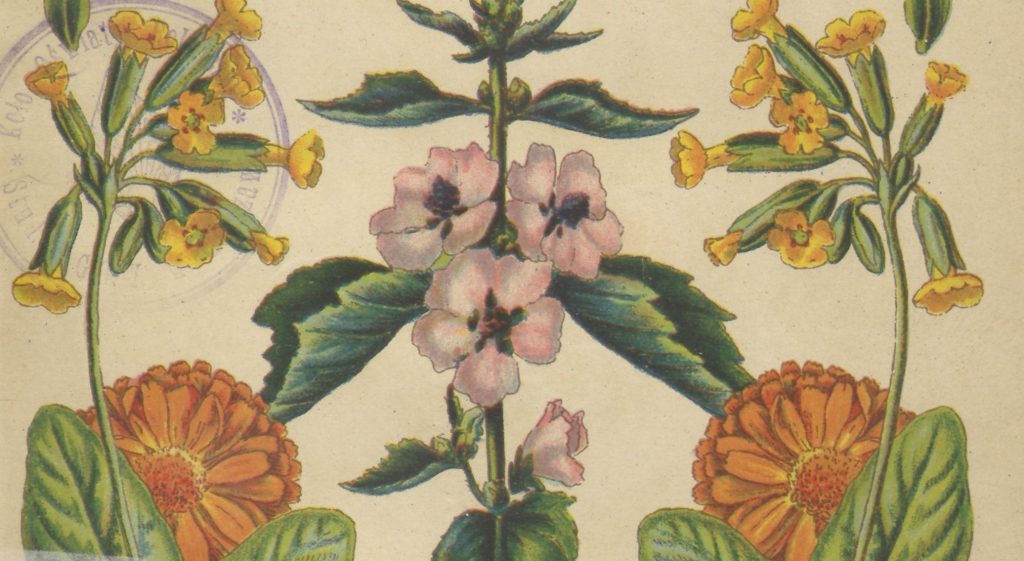
Herbal medicines in noble purchase registers, prescriptions and in the medical handbooks in the 18th century

New article by prof. Bożena Popiołek was published in the Journal “Modern medicine. Studying the culture of medicine” (by Institute for the History of Science of the Polish Academy of Sciences)

“Pharmacy expenses”, prescriptions, herbariums and medical handbooks are important sources for research on the history of medicine and pharmacy. They give an idea of both the level of pharmacy and court health care, as well as cultural trends in the fi eld of health care, which were adhered to by the Polish-Lithuanian Commonwealth’s society, and which were largely based on plant products. However, these sources are often fragmented, undated and anonymous, scattered in various collections, which we are not able to attribute to specifi c persons. It is also worth paying attention to the herbariums and pharmacopoeia, printed in mass since the mid-17th century, which are a kind of guide for pharmacists and medics who prepared drugs and prescribed medications to their patients. In the court’s libraries we can find medical handbooks that contained easy-to-prepare recipes, usually based on popular herbs found in the country, and served as first aid pharmaceuticals. Although the phytotherapeutic knowledge of this period was still based on the works of ancient authors, it was supplemented by the information about treatment possibilities of the new raw materials of herbal and mineral origin, which was caused by Europe’s opening to new continents and wide trade exchange with Asia, Africa and the Americas.

FULL VERSION OF THE ARTICLE (LINK)

Aktualności

Zobacz więcej na naszym facebooku

Polecamy Państwa uwadze konferencję "Three Centuries in the Heart of Europe. Aristoracy and Elites in Early Modern Europe", która odbędzie się w dniach 5-6 XI 2026 r. w Pardubicach i Hradcu Kralove. Organizatorzy pragną zachęcić do przyjrzenia się różnym formom łączności pomiędzy osobistościami albo grupami arystokratów w wymiarze politycznym, gosposdarczy, społecznym i kulturalnym. Zgłoszenia należy nadsyłać do 30 lipca. Szczegółowe informacje w plakacie konferecyjnym.#NCN #women'scourt ... See MoreSee Less
View on Facebook
W dniach 22-24 maja br. prof. Bożena Popiołek oraz dr hab. Urszula Kicińska brały udział w piątej edycji Międzynarodowej Konferencji Naukowej "Rośliny lecznicze w nauce i kulturze", zroganizowanej przez Instytut Historii Nauki im. Ludwika i Aleksandra Birkenmajerów PAN orazMuzeum Rolnictwa im. ks. K.Kluka w Ciechanowcu.Prof. Bożena Popiołek zaprezentowała referat zatytułowany: "Dworskie ogrody pełne ziół. Kobiece pasje ogrodnicze w osiemnastowiecznej Rzeczypospolitej", dr hab. Urszula Kicińska przedstawiła zaś zagadnienie noszące tytuł: "Choroby koni i sposoby ich leczenia w poradnikach medycznych XVIII wieku".#NCN #women'scourt #szlacheckidwórkobiecy ... See MoreSee Less
View on Facebook
Szanowni Państwo !Zapraszamy na Interdyscyplinarną Konferencję Naukową „Wcześniej jako muchy po cukrze, a teraz jako kurczęta piszesz Waść”. Edytorskie rozterki humanisty, która odbędzie się w Krakowie w dn. 22-23 października 2026 r.Wszelkie szczegóły poniżej.Uprzejmie prosimy o nadsyłanie tematów wystąpień wraz z krótkim abstraktem (1000–1500 znaków) w terminie do 30 czerwca na adres:urszula.kicinska@uken.krakow.pl jarosław.pietrzak@uken.krakow.pl karolina.kwasna@uken.krakow.pl ... See MoreSee Less
View on Facebook