Women's noble court in the Polish-Lithuanian Commonwealth in the Saxon times. Structure, people, culture, functions

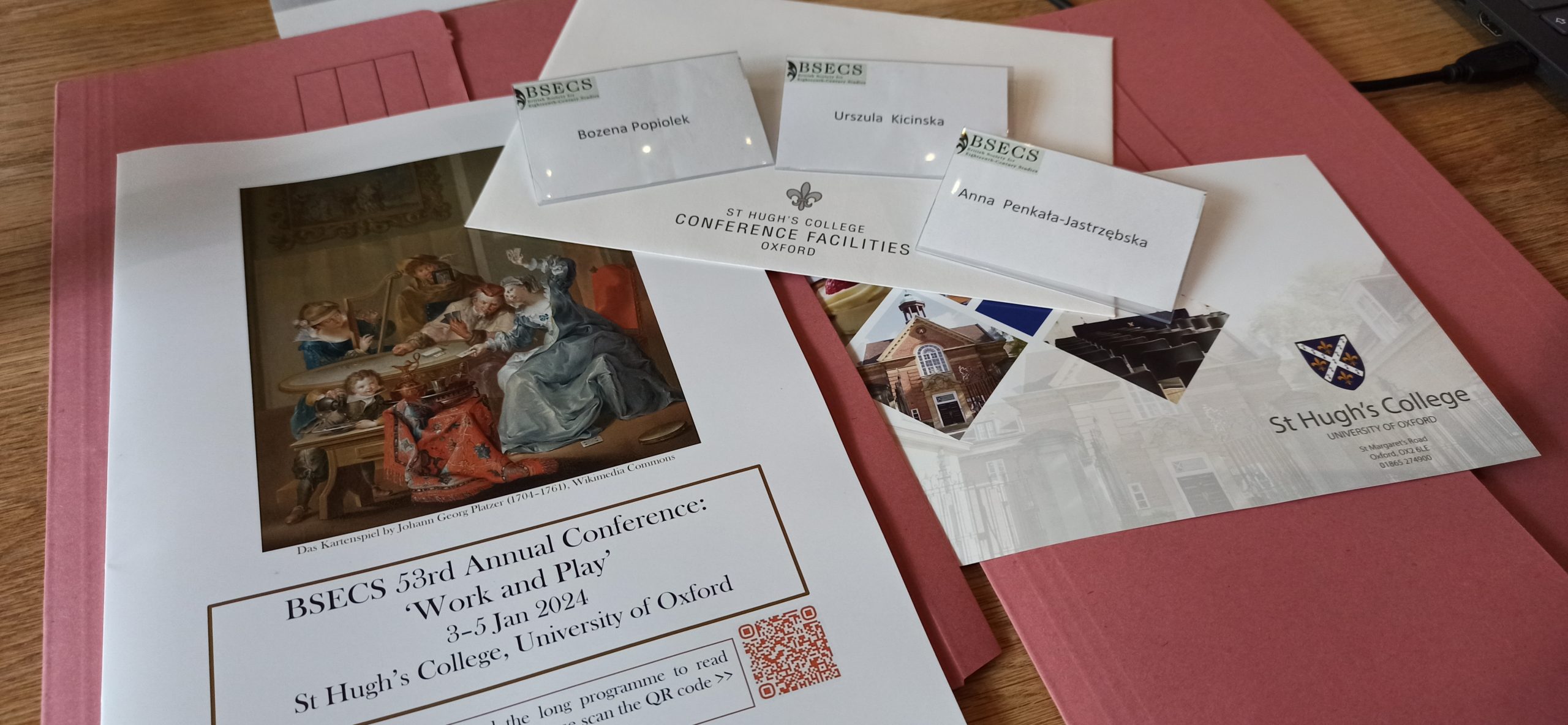
BSECS 53rd Annual Conference “Work and Play”

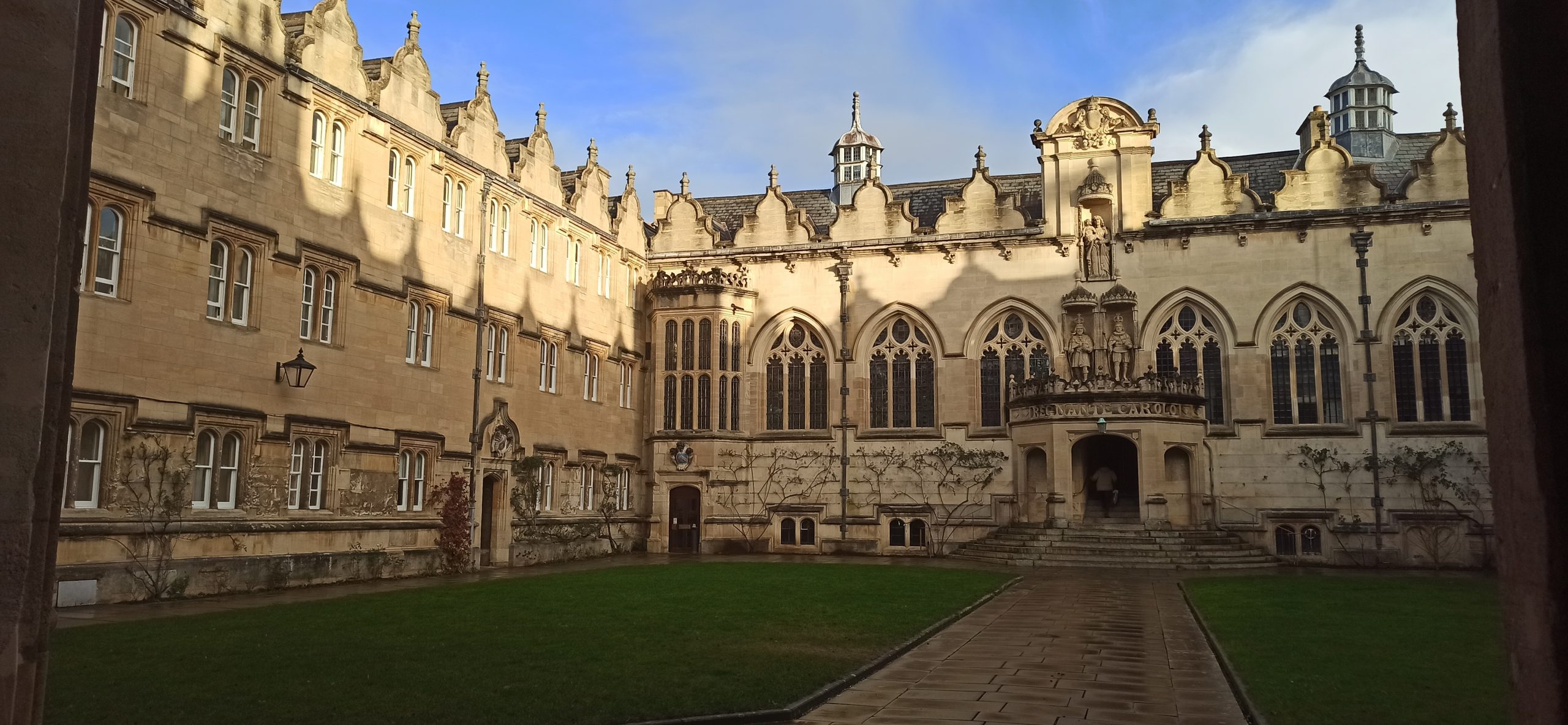
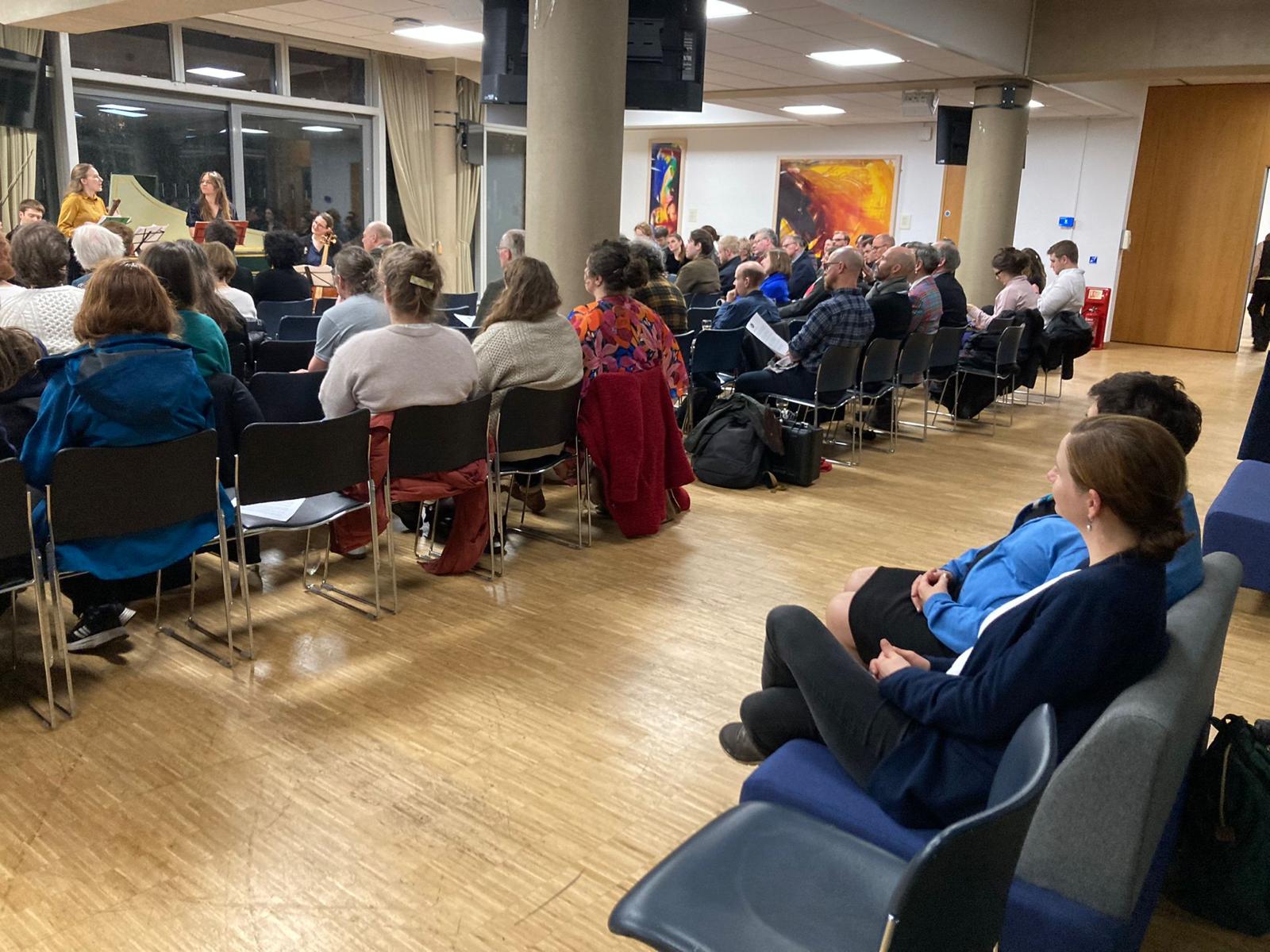
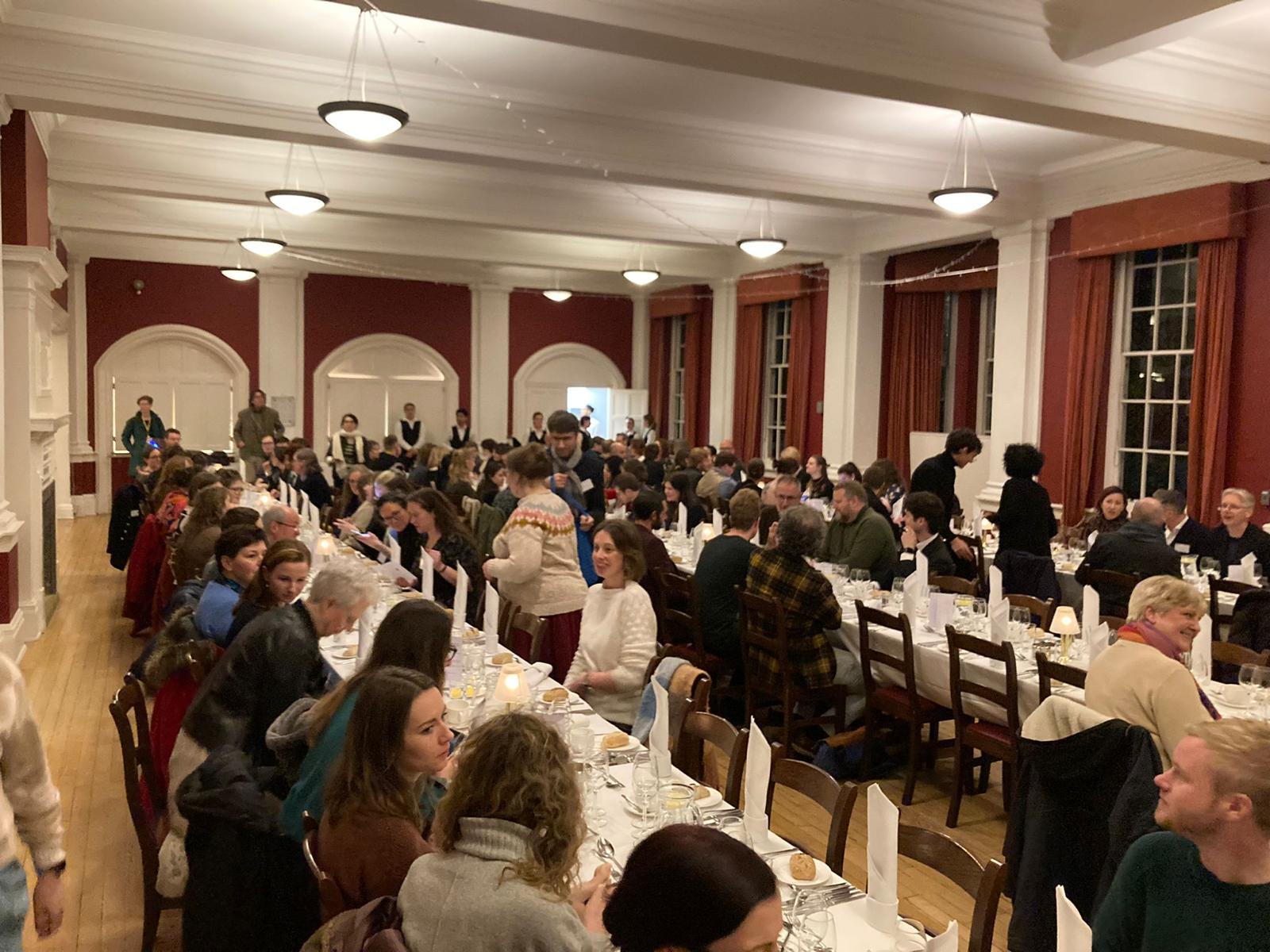
Our research team took part in the annual in-person meeting of the British Society for Eighteenth-Century Studies – Europe’s largest and most prestigious annual conference dealing with all aspects of the history, culture, and literature of the long eighteenth century. Location: St Hugh’s College, Oxford.
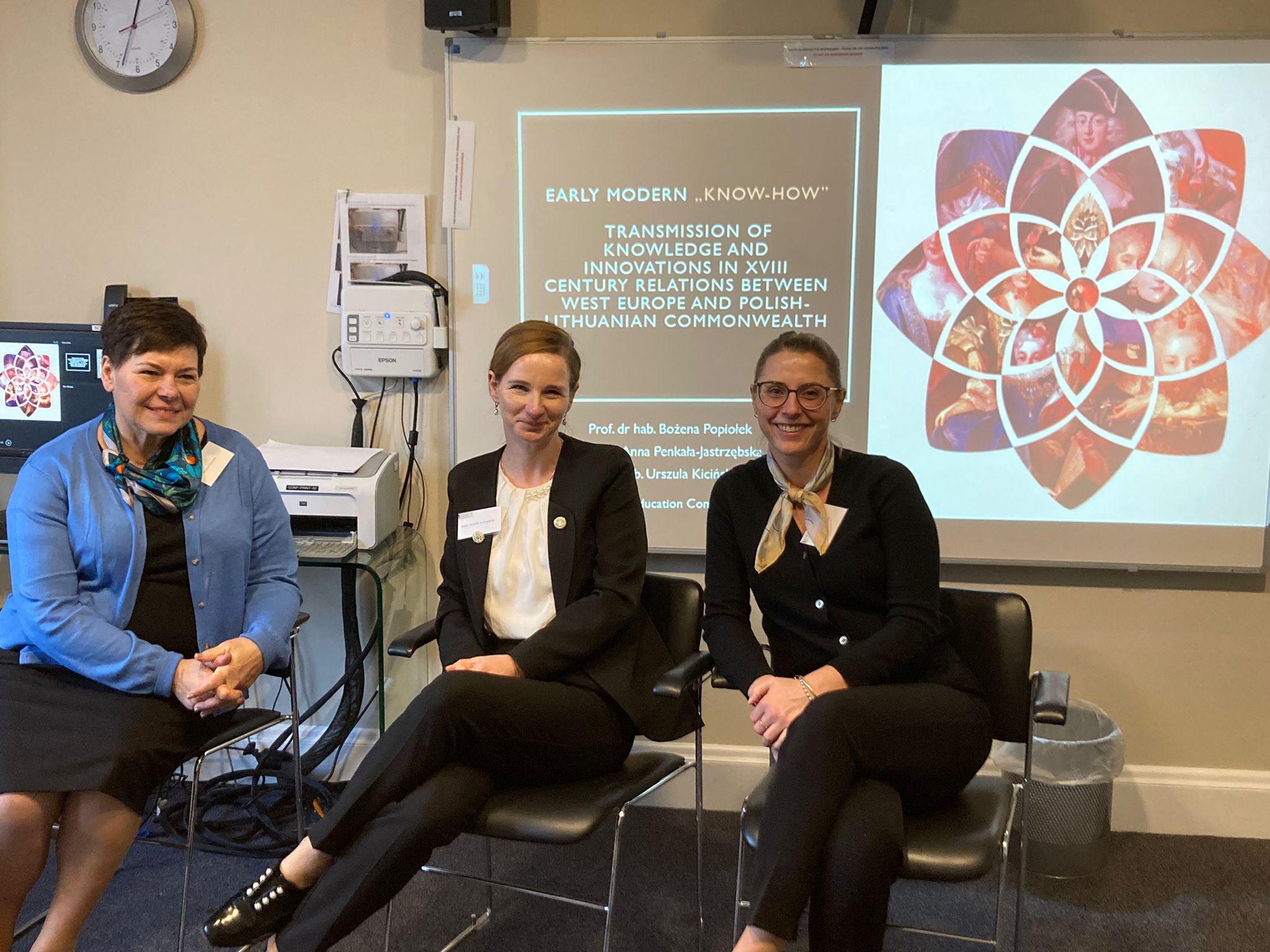
We presented the paper: Early modern „know-how”. Transmission of knowledge and innovations in XVIII century relations between West Europe and Polish-Lithuanian Commonwealth.
The analysis of the structure of servants employed in the services of the wealthy nobles in Polish Lithuanian-Commonwealth, is an interesting testimony to the changes taking place in the functioning of private manors in the 17th and 18th centuries. The aim of the proposal is to indicate the transmission of knowledge, innovations in work methods, technologies, and innovative solutions that reached the Polish-Lithuanian Commonwealth in the 18th century. The practice of recruiting foreigners (craftsmens) – valued professionals in their field – to private magnate courts has not been the subject of extensive research so far. This is due to the huge dispersion of the source materials. Therefore, we used previously unpublished, unknown in scientific circulation documents found during archival research conducted in Warsaw, Krakow, Wroclaw, Lublin, Lviv, Kiev, Vilnius, Dresden and Paris. The trace of the presence of craftsmens from abroad, hired at private magnate manors, should be sought primarily in numerous, sometimes extremely detailed and extensive manor accounts. Foreigners can be successfully detected by analyzing payroll lists for servants, references and preserved registers (f.ex. equipping people employed at court with the necessary clothing or tools). It was natural that the daily functioning of eighteenth-century private manors required the ongoing recruitment of servants specializing in various professions and crafts. The principals demanded the basics – honesty and diligence, but they especially appreciated the skills of experienced and dedicated people. The practice of employing foreigners at courts, treated as absolute specialists in their profession, was a perfect complement to locally recruited people. Their experience and practice, skill in craftsmanship and reliability of work were valued. Foreign craftsmens were also recruited to increase the prestige of their principal’s court.